
Insights
Writing from inside the shipyard
Notes on supervision practice, yard selection, surveyor competence and the regulation shaping newbuilding and recycling.
27 Jul 2025
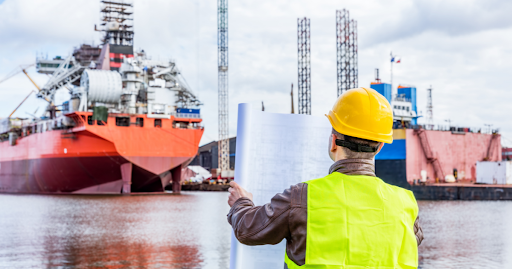
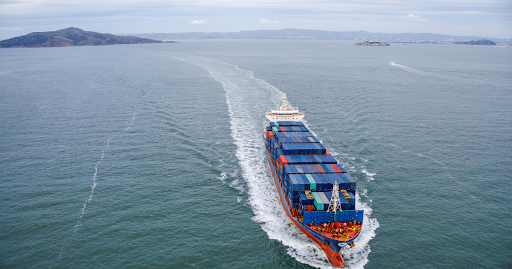
2025 Shipbuilding Surge: Key Shipowners Behind the Boom
The global shipping industry is experiencing a new building revival. As sustainability regulations tighten, international trade routes evolve, and shipping technologies modernise, shipowners across Europe, Africa, and the Americas are placing orders for more advanced, efficient,
26 Jul 2025
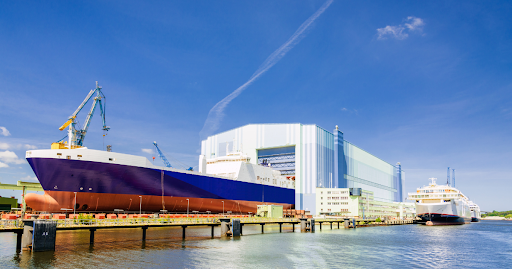
Top 5 Shipyards in 2025 for Commercial Newbuilds
With significant changes shaping the maritime industry, stricter rules and regulations on emissions, decarbonisation, and the post-pandemic global economic recovery are deeply affecting how new vessels are designed and built. Requests for eco-friendly ships, green tech-enabled ve

1 Jun 2025
5 Criteria That Define a Top-Tier Marine Surveyor
A marine surveyor, within the complex and capital-intensive landscape of shipbuilding, defines the quality of a vessel, its compliance with regulations, and the successful and cost-effective delivery of the project. Whether you are in charge of a new build, a ship conversion prog
7 Oct 2020
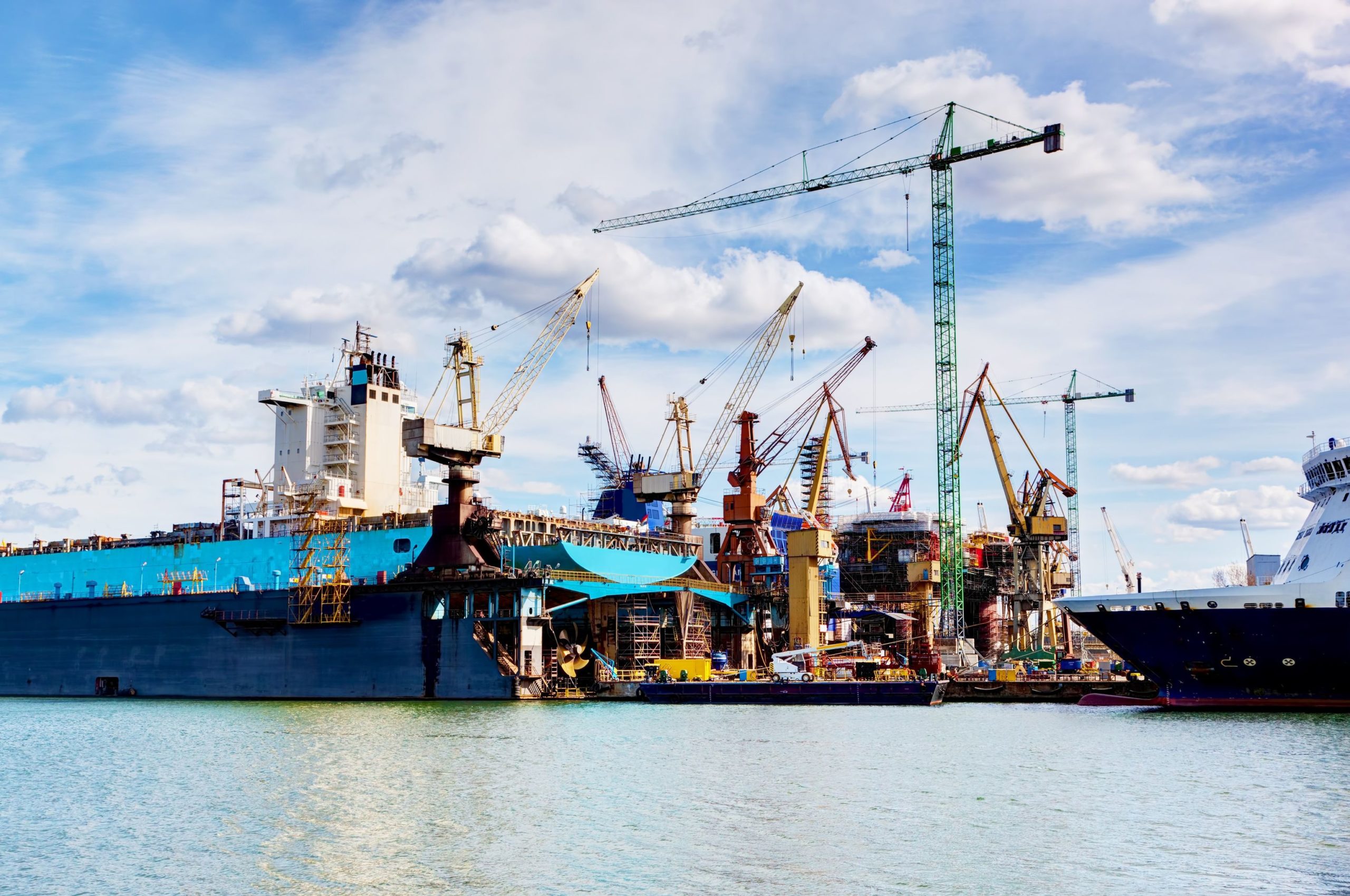
New Building Site Team Supervision Selection
In our last article, the focus was on how to choose the right shipyard and the intricacies involved in the shipbuilding process. This time, we are going to take a look at another vital component in shipbuilding, namely the site team. The Site Team (ST) personnel are the ship owne
30 Apr 2020
Choosing the Right Shipyard to Build Your Ship
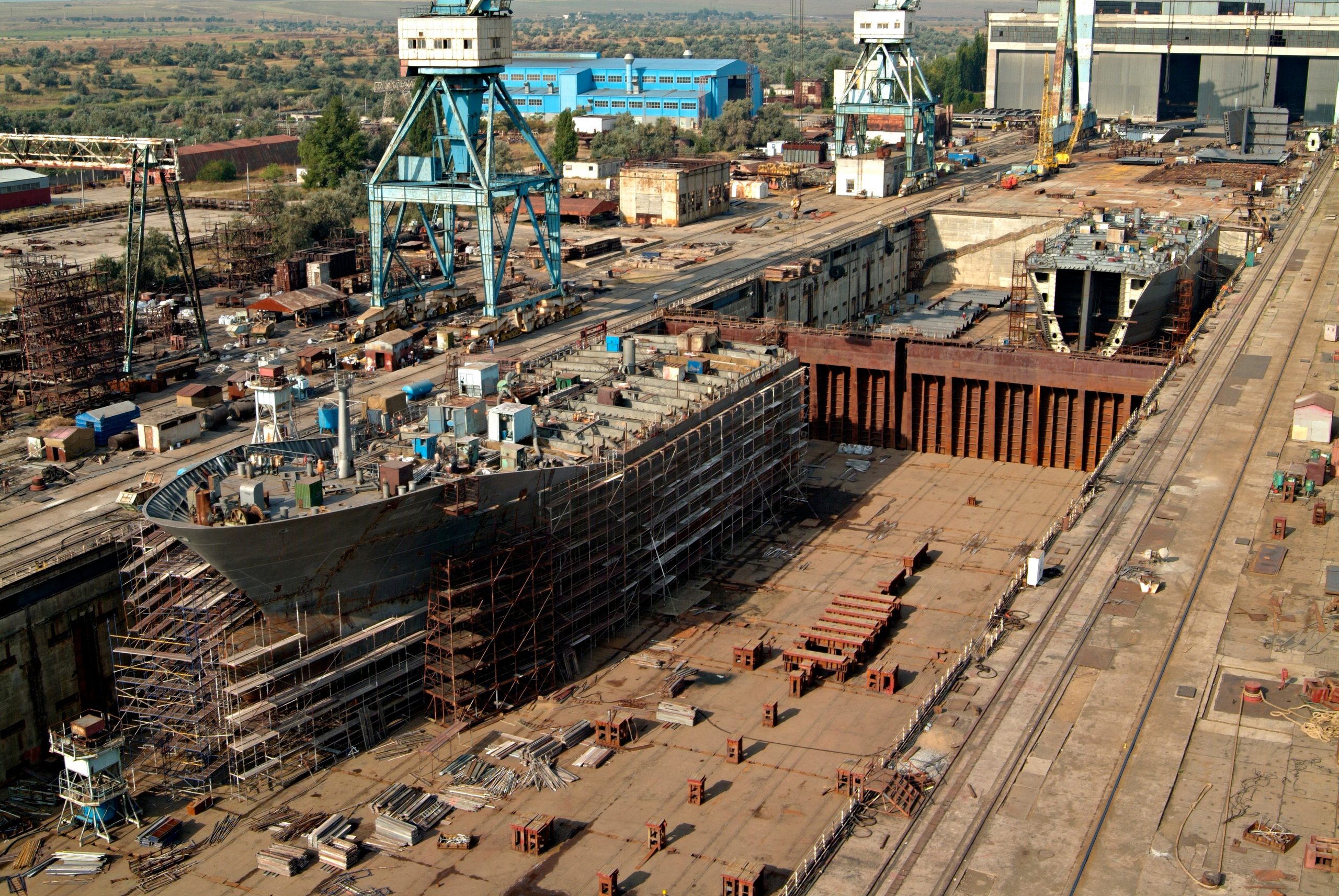
The choice of selecting a shipyard is probably one of the most important decisions a shipowner could make. This crucial choice could potentially have an impact on your long-term vessel quality and the operational expenses during the ship’s lifecycle. Therefore, you have to take a

28 Mar 2020
The Green Ship Recycling Guide: A Sound Choice for Sustainability
Every year, there are over 2 billion metric tons of rubbish being produced around the world. That number is expected to increase to over 3 billion metric tons by 2050. And with only 60% of waste being properly managed, the future looks grim. One thing that contributes to this pro